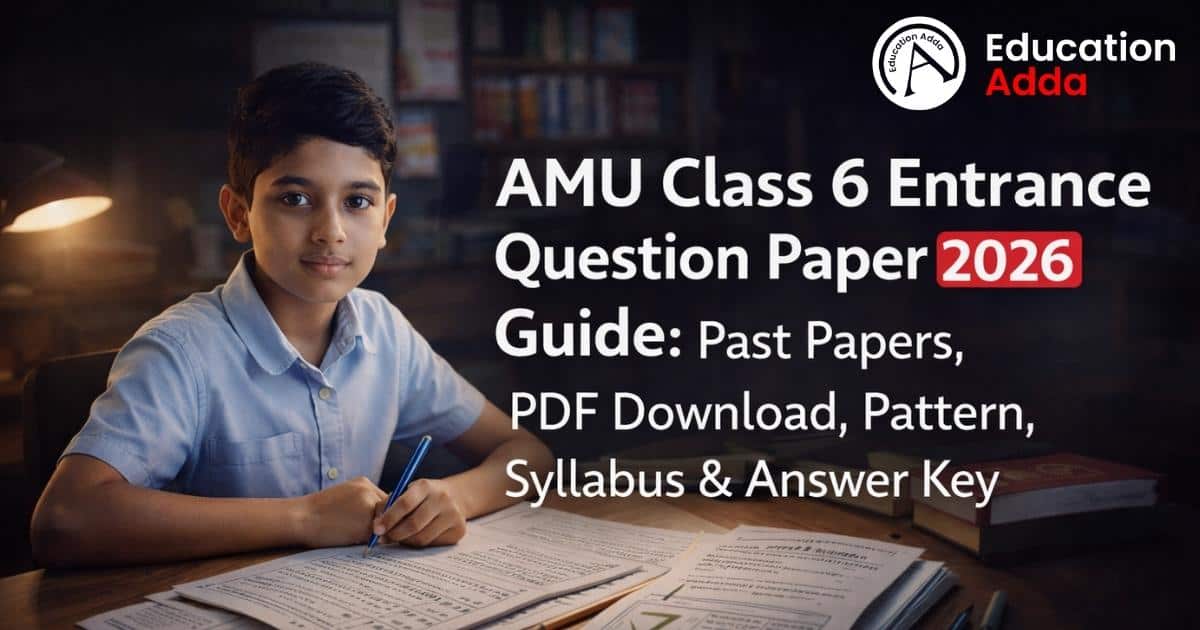
AMU Class 6 Question Paper 2018: PDF, OMR Sheet Practice, and a Smarter PYQ Plan
Parents and students searching for the AMU Class 6 question paper 2018 usually want one thing: a realistic feel of the entrance level before investing months in preparation. The 2018 question paper matters because it sits in the “middle zone”—modern enough to match today’s objective-style tests, but old enough that it exposes repeated patterns (English/Urdu/Hindi language basics, Math fundamentals, and EVS/Science-style reasoning).
Table of Contents
AI Overview
AMU Class 6 question paper 2018 is best used as a diagnostic PYQ: students should attempt it in OMR format, review mistakes using an error-log sheet, and revise from CBSE/NCERT Class V chapters that match incorrect topics. Prioritize language accuracy daily and build speed only after consistent accuracy. Use trusted sources and avoid unsafe “free PDF” pages that collect personal information or push intrusive ads.


AMU Distance Education 2026: Admission, Last Date, Courses List, Fees, Eligibility
AMU Class 6 Question Paper 2018: what it’s actually used for
The amu class 6 question paper 2018 is most useful as:
Baseline test (to measure current level),
Pattern detector (question format + repeat topics),
Speed builder (only after accuracy stabilizes),
Confidence stabilizer (parents can see progress in scores).
A student shouldn’t do it “casually.” The best results come when the paper is treated like the actual exam: timed, distraction-free, and done on an OMR-style answer sheet.
Where to find AMU Class 6 Question Paper 2018 (and how to verify it)
Below is a practical, safe way to approach amu class 6 question paper 2018 pdf, amu class 6 question paper 2018 pdf download, and “with omr sheet” searches without falling into junk downloads.
Quick verification checklist (use before trusting any PDF)
Mentions Class VI / School Admission / AMU School entrance (not unrelated AMU exams).
Contains MCQs and resembles OMR selection pattern.
Has year marking clearly tied to the paper.
Does not force suspicious logins, popups, or “Cash reward / lucky draw” buttons.
No “download app to open” traps.
Source comparison table (safe decision support)
| Source type | What you get | Best for | Risk |
|---|---|---|---|
| Compilation platforms (e.g., “10 years papers”) | multiple years including 2018 | trend spotting + practice | paywall/limited access |
| Question bank sellers | organized sets + sometimes OMR pages | structured practice packs | marketing bias; verify relevance |
| Basic listing sites | links + minimal guidance | quick discovery | thin strategy content |
| Official AMU guidance (rules) | exam rules, answer key norms, marking rules | authenticity + exam compliance | not always paper PDFs |
OMR practice: the “with OMR sheet” advantage students ignore
Many students lose marks not because they don’t know answers—but because they haven’t practiced marking correctly under time pressure.
AMU’s admissions documentation for 2025–26 includes guidance around the OMR answer sheet, answer key display, and related rules, which makes OMR-style practice a serious advantage.
How to practice with OMR (simple routine):
Print a blank OMR template (or use any OMR practice sheet included in a question bank pack).
Use a stopwatch.
Mark answers after every 5 questions (not after each question).
Do a final “bubble check” in the last 3 minutes.
Syllabus connection: CBSE/NCERT Class V is the fastest shortcut
Even when “class 6 entrance” content varies slightly by year, the strongest preparation base remains CBSE/NCERT Class V style concepts (especially for Math and EVS). This is why most serious preparation books and question banks align PYQs with NCERT chapters.
NCERT mapping table (practical, revision-friendly)
| Section focus | What to revise (Class V level) | What students should master |
|---|---|---|
| Languages (English/Urdu/Hindi) | basic grammar, comprehension, vocabulary | accuracy, meaning-based selection |
| Math | arithmetic, fractions, decimals, ratio-style thinking | speed + clean calculation |
| EVS/Science | daily-life science, environment, basic reasoning | concept clarity + elimination |
(This mapping is designed for study planning; it does not reproduce any copyrighted content.)
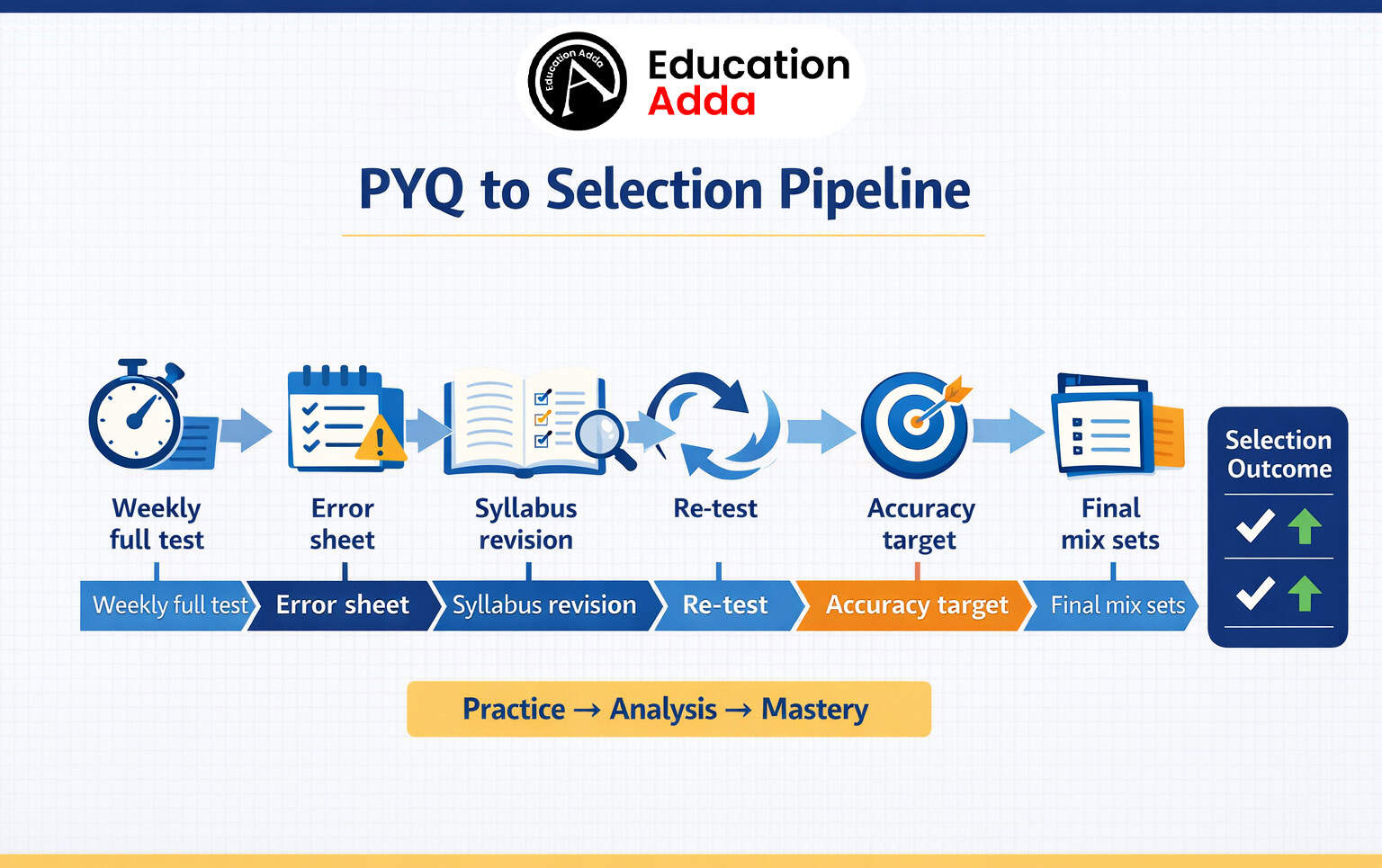
How to use AMU Class 6 Question Paper 2018 like a topper (PYQ workflow)
This is the exact PYQ method that outperforms “random practice.”
Step 1: Attempt it as a full test
Set a fixed time window (2 hours if the paper format matches that duration).
Sit like the real exam (desk, timer, water only).
Use OMR style.
Step 2: Create an “error sheet” (non-negotiable)
Columns:
Topic
Wrong question number
Mistake reason (concept gap / silly error / time pressure)
Fix plan (NCERT chapter + 10 practice questions)
Step 3: Re-test after 7–10 days
Retesting is where improvement becomes measurable.
Exam rules students should know (Answer key + objections)
Students often ask: “How is the answer key released?” “Can it be challenged?”
AMU’s admissions documentation (2025–26) references answer key display and timelines/rules, so parents should teach students to rely on official processes rather than unofficial “solved” PDFs circulating online.
Common mistakes seen in AMU Class 6 preparation (and the fix)
Mistake 1: Only doing “solved papers”
Solved papers can build comfort, but unsolved attempts build readiness. A student should mix unsolved and solved formats.
Mistake 2: Over-focusing on speed early
Speed without accuracy is noise. Aim for stable accuracy first, then speed.
Mistake 3: Downloading random PDFs from unsafe pages
Many “free download” pages are loaded with intrusive interstitials and trackers. That’s a privacy risk (Information + Privacy) and wastes time.


Best Direction to Study for Competitive Exams: Vastu Tips for Success
Conclusion
The amu class 6 question paper 2018 works best when it’s treated as a real entrance exam simulation—timed, OMR-based, and followed by an error-sheet revision cycle. Use verified sources, map mistakes to NCERT Class V, and build accuracy before chasing speed.
Bullet-point summary (most important takeaways)
Use AMU Class 6 Question Paper 2018 as a timed OMR simulation, not casual practice.
Maintain an error sheet: topic + mistake reason + NCERT fix plan.
Revise from CBSE/NCERT Class V aligned topics for faster improvement.
Avoid unsafe “free PDF download” traps; protect Information and Privacy.
Add internal links to related AMU resources to boost topical authority.
Top FAQs
Is the AMU Class 6 entrance question paper 2018 enough for preparation?
It’s a strong baseline, but students should also practice the previous 3–5 years to understand trends and avoid overfitting to one year.
Where can students get AMU Class 6 question paper 2018 PDF download safely?
Prefer compilation sources or structured question banks, and always verify “Class VI school entrance” labeling before downloading.
Why does “with OMR sheet” matter?
Because OMR habits reduce avoidable marks loss; AMU admissions rules emphasize standardized answer processes and key display norms.
Is NCERT Class V enough for syllabus coverage?
NCERT Class V is the best foundation; students should focus on clarity and elimination-based MCQ practice.
Can the same material help for AMU and JMI school entrance?
Some question-bank products position themselves for “AMU and JMI,” but students must confirm the exact syllabus/pattern year-wise before relying on a single pack.