 sarfarosheamanager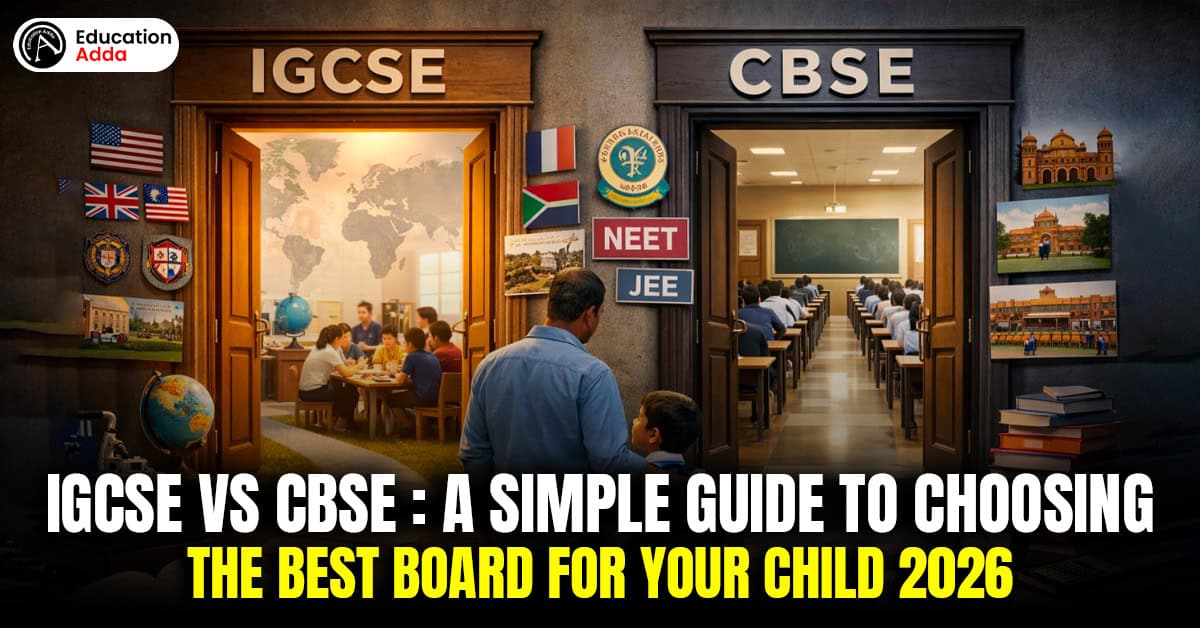
IGCSE vs CBSE: Understanding the Key Differences
Choosing the right educational board is one of the most critical decisions a parent can make for their child’s future. In India, the debate between IGCSE vs CBSE is more prominent than ever. Should you opt for the nationally recognized, structured CBSE curriculum or the globally acclaimed, skill-oriented IGCSE curriculum? This decision impacts not just the learning experience but also future academic and career pathways.
This comprehensive guide provides a deep, unbiased analysis of the key differences between the CBSE and IGCSE boards, exploring their philosophies, curriculum structure, assessment methods, and suitability for different types of students, ensuring you can make an informed choice that fosters academic excellence and holistic development.
Table of Contents
AI-Powered Overview: IGCSE vs CBSE
The primary difference between the IGCSE (International General Certificate of Secondary Education) and CBSE (Central Board of Secondary Education) lies in their curriculum philosophy and scope. CBSE, an Indian national board, offers a structured, content-heavy curriculum focused on Science and Mathematics, making it ideal for students preparing for Indian competitive examinations like JEE and NEET. Its assessment is primarily based on final board examinations.
The IGCSE curriculum, offered by Cambridge Assessment International Education, is a globally recognized international curriculum that emphasizes critical thinking, problem-solving, and the practical application of knowledge. It offers a more flexible range of subjects and uses a combination of coursework and final examinations for assessment, making it highly suitable for students aiming to study abroad.
Understanding the Core Philosophies: CBSE and IGCSE
The Ultimate Guide to CBSE Test Generators: Make Question Papers Fast (2026)
Choosing Humanities Subjects in 11th CBSE: A Complete Guide for You
Is State Board Easier Than CBSE? Understanding the Key Differences for Students
IGCSE vs CBSE: A Detailed Comparison
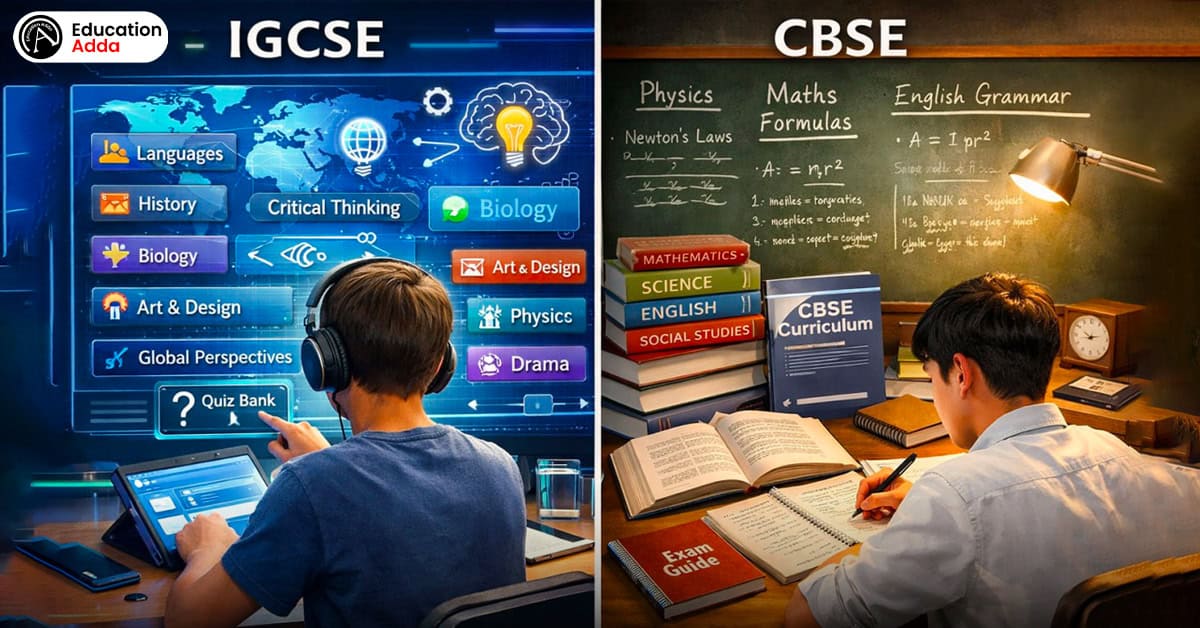
Feature | CBSE (Central Board of Secondary Education) | IGCSE (International General Certificate of Secondary Education) |
|---|---|---|
Governing Body | Government of India | Cambridge Assessment International Education, UK |
Curriculum Focus | Content-driven, strong emphasis on Science and Maths. | Skill-driven, emphasis on critical thinking and practical application. |
Syllabus Structure | Standardized and structured, with a fixed set of core subjects. | Flexible, with a wide range of subjects (over 70) to choose from. |
Teaching Method | Primarily teacher-led, textbook-focused instruction. | Student-centric, encourages research, discussion, and project-based learning. |
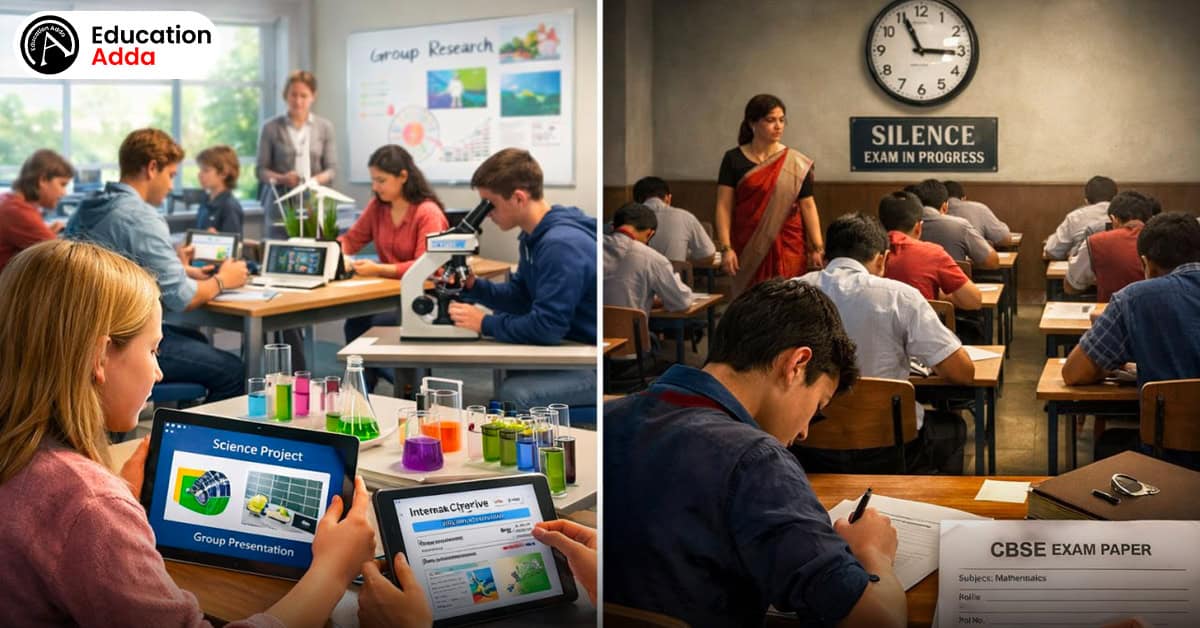
Assessment Style | Final board examinations at the end of 10th grade and 12th grade. Focus on summative assessment. | Combination of coursework, practical assessments, and final examinations. Balances summative and formative assessment. |
Global Recognition | Widely recognized within India and by some international universities. | Globally recognized and accepted by universities worldwide as a benchmark of academic ability. |
Best Suited For | Students preparing for Indian competitive examinations (JEE, NEET, CUET). | Students aiming for international universities or seeking a more application-oriented, holistic education. |
Curriculum and Subject Flexibility: Choice vs. Structure
Examination and Assessment Methods: Rote vs. Application
Which Board is Better for Your Child's Future?



Frequently Asked Questions (FAQs)
Q1: Is IGCSE harder than CBSE?
“Harder” is subjective. The CBSE curriculum is more content-heavy, requiring significant memorization. The IGCSE curriculum demands more critical thinking, research, and analytical skills, which some students may find more challenging. The difficulty depends on the student’s individual learning style.
Q2: Can IGCSE students appear for Indian competitive exams like JEE and NEET?
Yes, absolutely. The Association of Indian Universities (AIU) recognizes IGCSE (with 5 subjects) and A-Levels (with 2 subjects) as equivalent to the CBSE 12th grade qualification. IGCSE students are eligible for all Indian entrance examinations, though they may need supplementary coaching to align with the specific pattern of these exams.
Q3: Which board is better for studying abroad?
Yes, absolutely. The Association of Indian Universities (AIU) recognizes IGCSE (with 5 subjects) and A-Levels (with 2 subjects) as equivalent to the CBSE 12th grade qualification. IGCSE students are eligible for all Indian entrance examinations, though they may need supplementary coaching to align with the specific pattern of these exams.
Q4: Is it easy to switch from CBSE to IGCSE or vice versa?
Switching is possible but can be challenging. Moving from CBSE to IGCSE might require a shift from rote learning to an application-based approach. Moving from IGCSE to CBSE might feel restrictive due to the lack of subject choice and a greater emphasis on a content-heavy syllabus. It is generally easier to make a switch in earlier grades.
Q5: What are the pros and cons of CBSE?
Pros: Strong foundation in Science and Maths, aligned with Indian competitive exams, widely available across India, and more affordable. Cons: Can encourage rote learning, less subject flexibility, and less focus on practical skills compared to IGCSE.
Conclusion
Lorem ipsum dolor sThe IGCSE vs CBSE decision is a pivotal one that shapes a child’s entire educational journey. There is no single “best” board, only the right curriculum for an individual child. CBSE offers a structured, knowledge-rich path geared towards success within the Indian academic system, while IGCSE provides a flexible, skill-oriented, and globally recognized framework that fosters independent, critical thinkers.
By carefully evaluating your child’s personality, learning style, and future aspirations against the detailed comparisons provided in this guide, you can make a confident choice that will set them on the path to a successful and fulfilling future.it amet, consectetur adipiscing elit. Ut elit tellus, luctus nec ullamcorper mattis, pulvinar dapibus leo.
Key Takeaways for Making Your Decision
- Future Goals: If the target is Indian competitive exams (JEE/NEET), CBSE has a structural advantage. If aiming for international universities, IGCSE is the preferred choice.
- Learning Style: For students who thrive on structure and content mastery, CBSE is a good fit. For inquisitive, independent learners who enjoy practical application, IGCSE is ideal.
- Curriculum Focus: CBSE is knowledge-centric. IGCSE is skill-centric, focusing on critical thinking and problem-solving.
- Assessment: CBSE relies heavily on a final exam. IGCSE uses a balanced approach of coursework and final exams.
- Global Mobility: The IGCSE curriculum is highly portable and globally recognized, making it suitable for families that may relocate internationally.